Ayurvedic Clinic in Hyderabad | Shree Dhruti Ayurvedic Centre

Ayurvedic Care And Support

Paralysis Treatment in Hyderabad

Explore individualized supportive care at Shree Dhruthi Ayurveda for people living with paralysis and movement difficulties. Our practitioners can discuss appropriate traditional therapies alongside the medical care and rehabilitation recommended for your condition.

Important

Sudden weakness or paralysis, facial drooping, or difficulty speaking may indicate a stroke. Call emergency services immediately. Do not delay emergency treatment to seek Ayurvedic care.

About Shreedruthi Ayurveda

Ayurvedic Supportive Care for Paralysis

Paralysis can affect movement, muscle control and the ability to perform everyday activities. Depending on its cause, it may affect one side of the body, one or more limbs, or specific muscle groups. Stroke, spinal cord injuries, nerve disorders and other medical conditions can lead to paralysis.

At Shree Dhruthi Ayurveda, individuals and caregivers can enquire about traditional Ayurvedic supportive care based on individual needs and practitioner assessment. Any treatment plan should take into account the underlying diagnosis, current medical treatment and rehabilitation requirements.

Individual Consultation: Discuss your condition, medical history and care needs.

Personalized Support: Explore traditional therapies when appropriate.

Care Coordination: Continue necessary medical treatment and prescribed rehabilitation.

Understanding Paralysis and Movement Difficulties

Paralysis is the loss of voluntary muscle movement in part or all of the body. It can develop suddenly or gradually, depending on the underlying condition. Some people experience weakness or restricted movement in an arm or leg, while others may have difficulties with balance, coordination or everyday tasks.

The effects of paralysis vary significantly from person to person. Diagnosis and treatment depend on the cause, the affected areas and the individual’s overall health. Medical evaluation is essential to identify the underlying condition and determine the most appropriate care.

Understanding The Underlying Condition

Common Causes of Paralysis

Paralysis can occur when the brain, spinal cord, nerves or muscles are affected by injury or disease.

Stroke and other brain-related conditions

Spinal cord injuries

Nerve damage or neurological disorders

Brain or spinal cord infections

Certain neuromuscular conditions

Traumatic injuries affecting nerve pathways

Other medical conditions affecting movement

Sudden-onset paralysis or weakness requires emergency medical evaluation. The underlying cause determines the appropriate treatment.

Important

Sudden weakness or paralysis, facial drooping, or difficulty speaking may indicate a stroke. Call emergency services immediately. Do not delay emergency treatment to seek Ayurvedic care.

"Ayurvedic therapies have brought me a sense of peace and tranquility that I've never experienced before."

Kim Esmeralda Fashion Models

"I'm grateful for Ayurveda's focus on preventive health and its impact on my well-being."

Michael Granger Movie Actor

"I'm amazed at how Ayurvedic herbs and remedies have boosted my immune system."

Sarasvati Solo Singer
Individualized Care Approach

Ayurvedic Care for People Living with Paralysis

People living with paralysis may require long-term medical care, rehabilitation and assistance with daily activities. Depending on the underlying condition, a qualified practitioner may discuss traditional Ayurvedic therapies as a complementary part of an individual’s broader care plan.

At Shree Dhruthi Ayurveda, consultations can help determine whether any traditional therapies are appropriate for the individual’s circumstances. Care decisions should consider medical stability, mobility limitations, other health conditions and any prescribed medication.

Possible areas of supportive care may include:

Traditional External Therapies

Selected oil applications or traditional therapies may be discussed after assessing the individual’s condition and safety needs.

Individualized Ayurvedic Consultation

A consultation can help review the person’s needs and discuss suitable options within the limits of the practitioner’s scope of practice.

Daily Care and Lifestyle Guidance

Caregivers may benefit from guidance on safe daily routines and general supportive practices, coordinated with the person’s rehabilitation team.

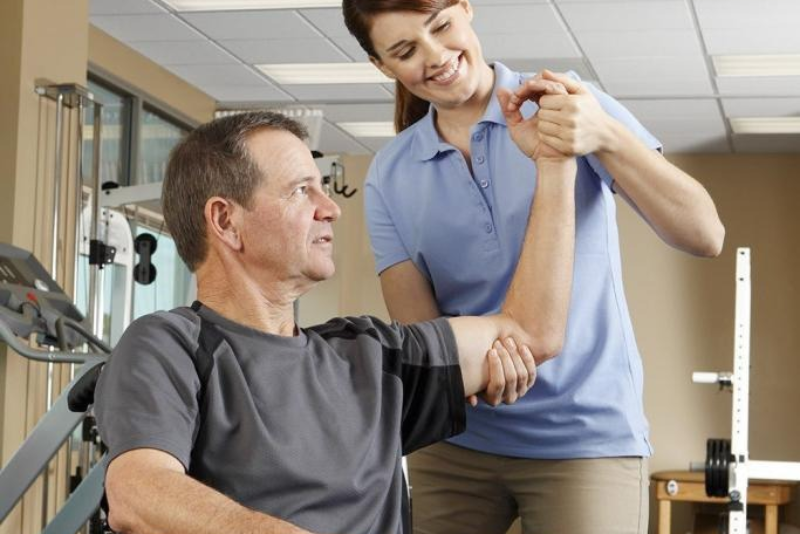
Coordination with Rehabilitation

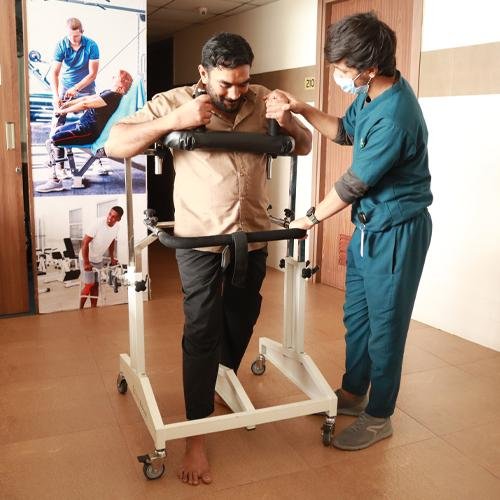
Physiotherapy, occupational therapy and other prescribed rehabilitation services remain important where indicated.

Ayurvedic therapies have not been established as a cure for paralysis. They should not replace emergency treatment, neurological care, prescribed medicines or evidence-based rehabilitation.

Support Based on Individual Assessment

Traditional Therapies and Supportive Care

The suitability of each therapy depends on the cause of paralysis, the person’s medical stability and their ability to tolerate the procedure. All options must be assessed individually.

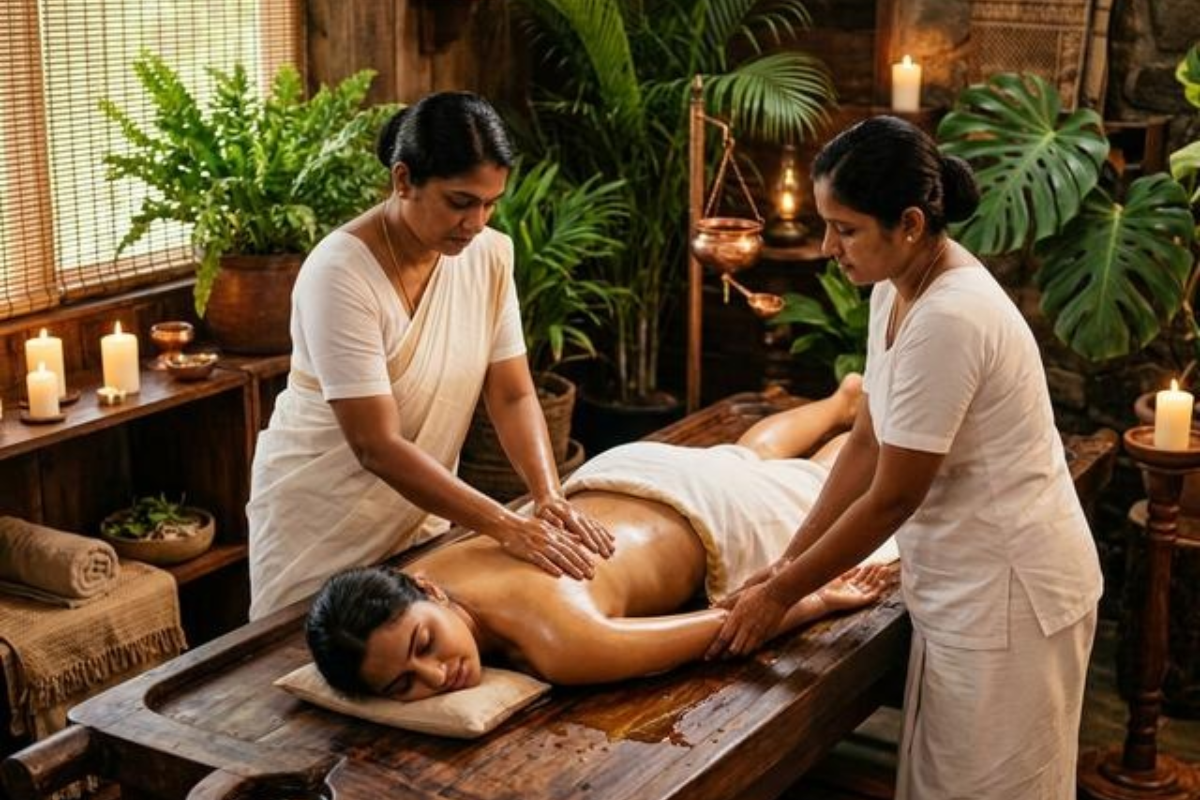
Abhyanga – Traditional Oil Therapy

A traditional oil-based procedure that may be discussed for selected individuals following appropriate assessment.

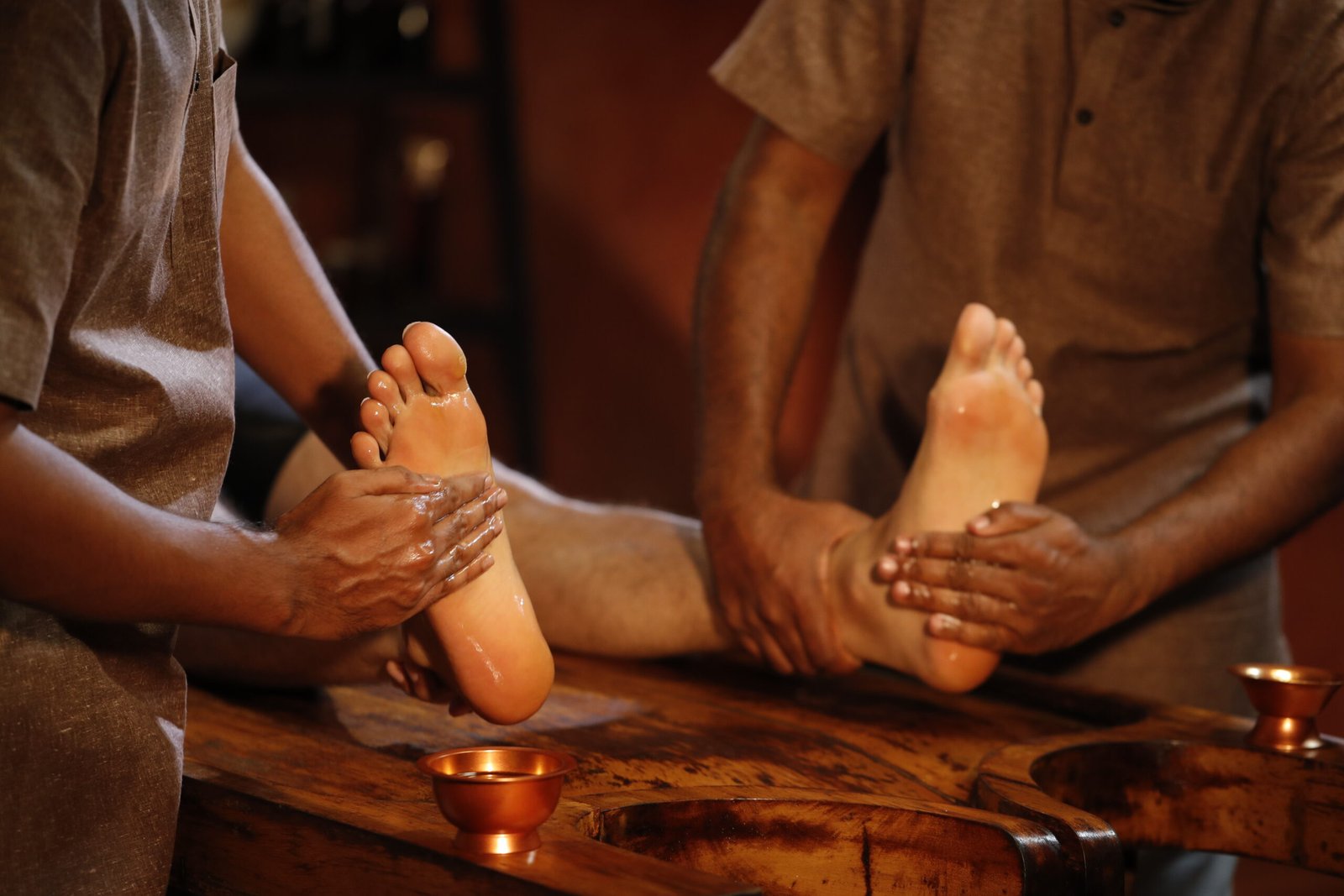
External Ayurvedic Therapies

Selected traditional external procedures may be considered only when appropriate for the person's condition and mobility limitations.

Rehabilitation Support

Medical rehabilitation may help eligible individuals work towards functional goals and greater independence.

Only advertise therapies and services that your clinic actually provides. Rehabilitation should be delivered by appropriately qualified professionals.

Traditional Ayurvedic Procedures

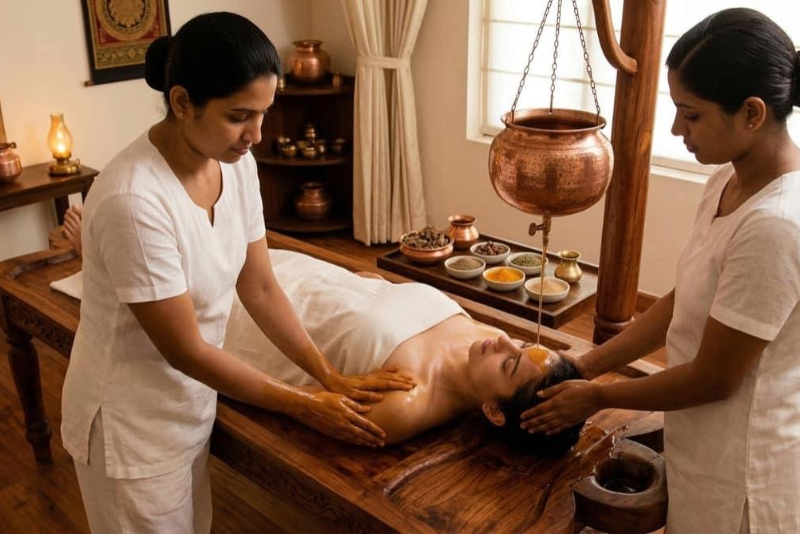
Explore Our Panchakarma Therapies

Shree Dhruthi Ayurveda offers traditional Ayurvedic procedures subject to availability and individual assessment. If you or a family member is living with paralysis, consult a qualified medical professional before considering any additional therapy.

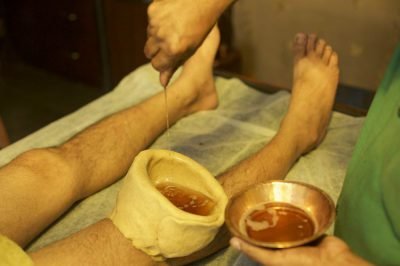
Abhyanga

A traditional oil-based procedure requiring individual suitability assessment.
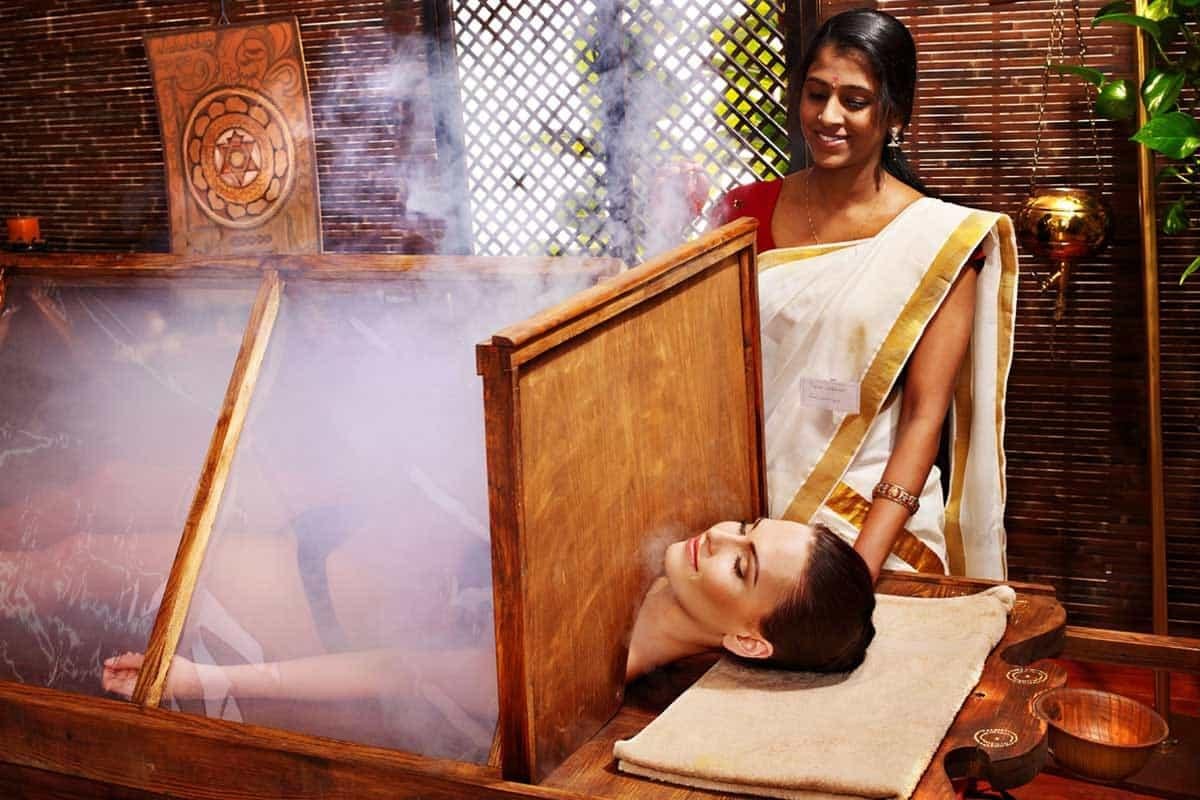
Swedana

A traditional heat-based procedure that may not be suitable for people with certain medical or mobility conditions.
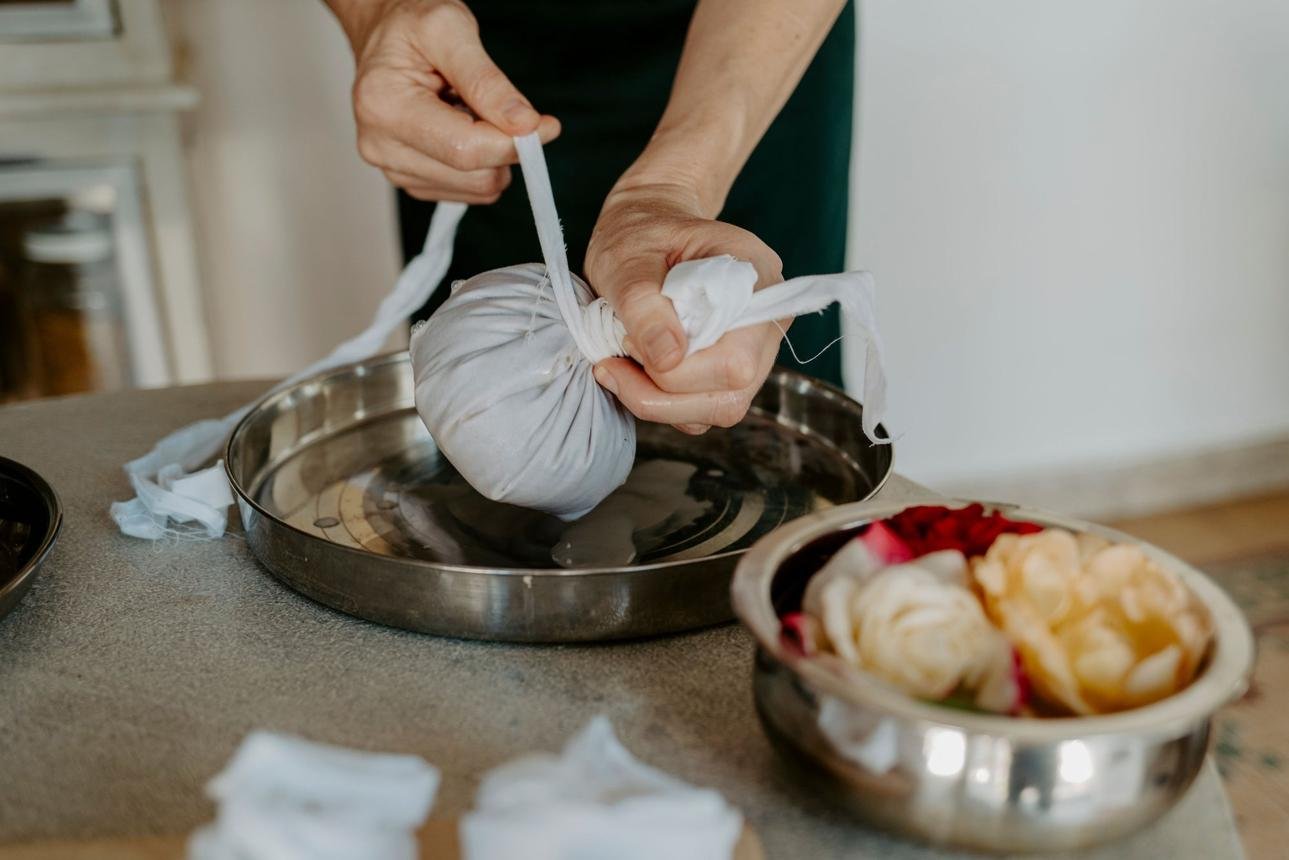
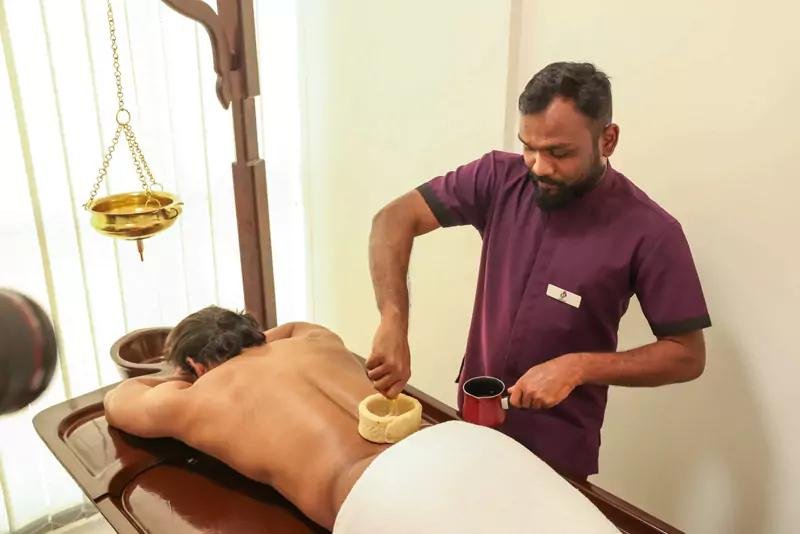
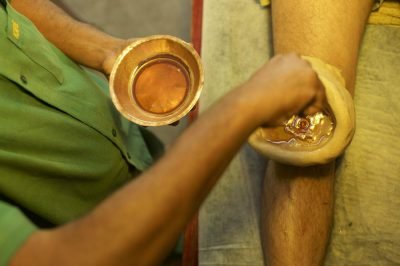
Kizhi Therapy

A traditional herbal bolus procedure that requires assessment of the individual's condition and safety needs.
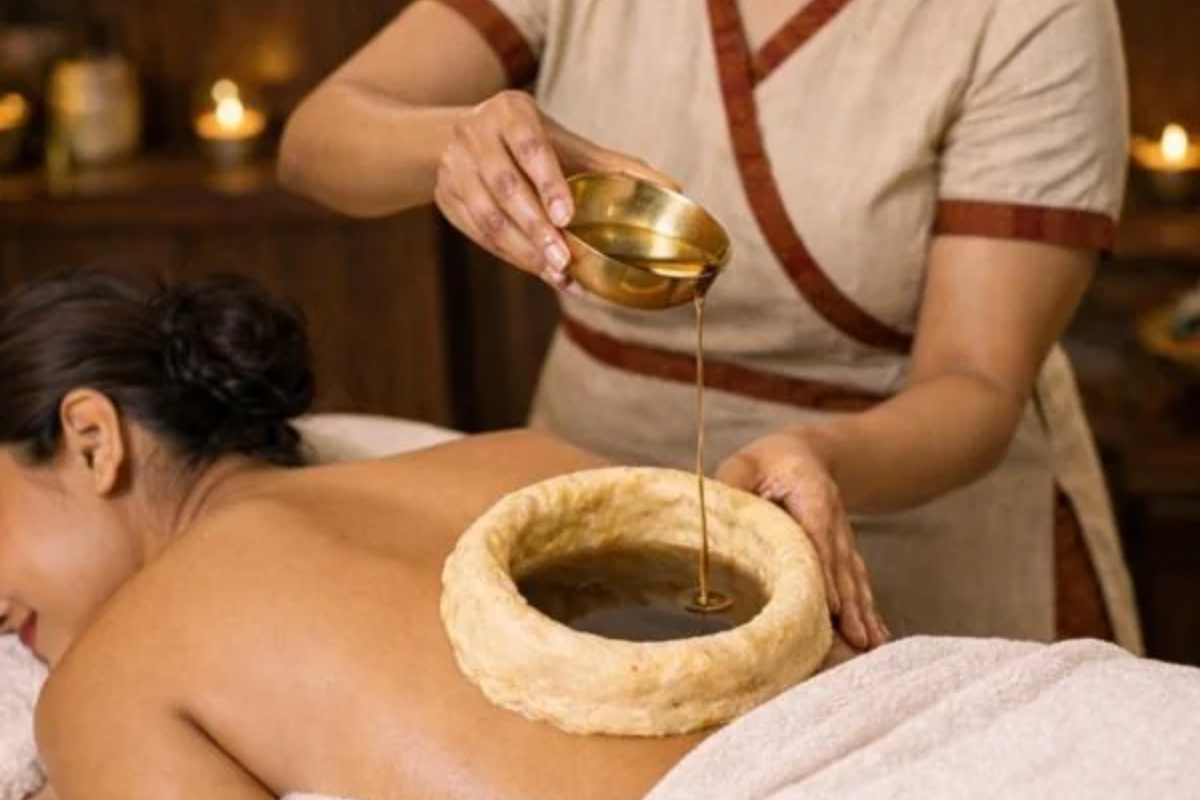
Dhara Therapies

Traditional procedures considered only when appropriate for the individual.

These procedures are not proven treatments for reversing paralysis. Do not imply that they restore lost movement or replace standard neurological care.

Your Care Journey

The Process We Follow at Shree Dhruthi Ayurveda

We encourage a careful, individualized approach for people living with paralysis. The priority is to understand the person’s condition and ensure that any additional care is appropriate alongside their existing medical treatment.

Make an Appointment

Contact the clinic to enquire about a consultation for yourself or a family member.

Review Medical History

Review whether any complementary traditional therapies are appropriate and identify precautions.

Discuss Suitable Care Options

Discuss the diagnosis, symptoms, current medication and existing rehabilitation plan.

Follow-Up and Ongoing Care

Continue the recommended medical and rehabilitation plan, with follow-up as advised by the treating professionals.

Frequently Asked Questions

Is Ayurvedic treatment available for paralysis in Hyderabad?

You can contact Shree Dhruthi Ayurveda to enquire about consultations and available traditional therapies. Suitability depends on the underlying diagnosis, medical stability and individual assessment.

Can paralysis be completely cured?

Recovery depends on the cause, severity and extent of neurological damage. Some people regain certain functions with medical treatment and rehabilitation, while others have lasting limitations. No treatment should guarantee a complete cure.

Can Ayurveda be used alongside physiotherapy?

Some individuals may explore complementary care alongside prescribed rehabilitation. Discuss all therapies with the treating doctor and qualified practitioners to avoid unsafe procedures or delays in essential treatment.

Which Ayurvedic therapies may be considered for paralysis?

Selected traditional procedures may be discussed following an individual assessment. No procedure should be presented as a proven method of reversing paralysis or restoring lost neurological function.

How long does paralysis recovery take?

Recovery varies considerably depending on the cause and severity of the condition, the person’s general health and their response to medical treatment and rehabilitation. A treating healthcare team can provide more appropriate guidance.

When should a person with paralysis seek emergency care?

Call emergency services immediately for sudden weakness, facial drooping, difficulty speaking, sudden vision changes or loss of balance, as these may be signs of stroke. Do not wait for a clinic appointment.

Consultaion Enquiries

Looking for Paralysis Care in Hyderabad?

If you or a family member is living with paralysis, contact Shree Dhruthi Ayurveda to enquire about consultations and available supportive care options.

Our team can help you understand the consultation process and the information to bring to your appointment.

    Call Now Button